Fudgey Brownies

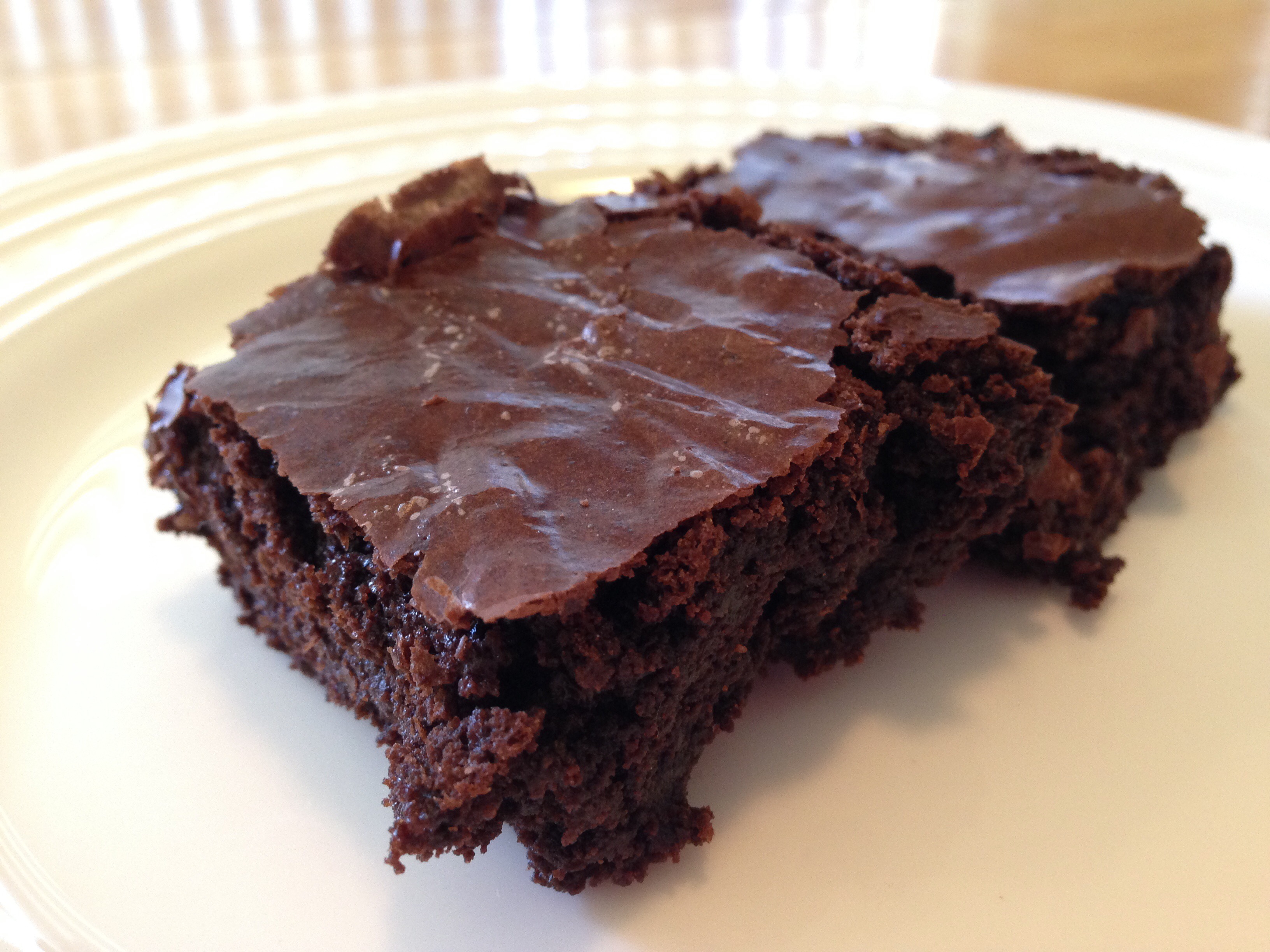
I have searched and searched for years for the best fudgey brownies. Cake brownies always just tasted like dry, dense cake to me and just seemed unappetizing. Like someone passing off failed cake as a brownie instead. An unfair assessment of cakey brownies I suppose, since I’m a very biased fan of the fudgey variety. A couple years ago, I finally decided that I just cannot produce the proper mix of sweet but not too sweet, chocolatey but not too rich brownie without using box. What’s better than Ghiradelli’s brownie mix? Until recently, my answer was “nothing!”. Now, I’m happy to say that I no longer feel that way. Finally, a from-scratch recipe that I am happy with. As always it’s a mix of many recipes 🙂

10 oz semisweet chocolate chips

1 stick unsalted butter (8 Tbsp)

1 1/4 cups sugar

1/3 cup espresso or strong coffee

1 tsp Vanilla extract

2 eggs (room temp)

1 cup All purpose flour

1/3 cup cocoa powder

1 tsp baking powder

1/4 tsp salt

Set oven at 350. Grease a 9×13 inch pan.

Melt chocolate chips and butter. I like to use the microwave, in 30 second intervals. Stir gently with a spoon or butter knife between intervals until all the chocolate has been melted and the mixture is smooth. Set aside to cool. Note below for why.

Combine sugar and espresso/coffee mixture together. The sugar will melt a bit in the coffee and the brownies will be smoother without sugar crystals. Also, water causes chocolate to seize and mixing these separate will help prevent seizing. Combine coffee mix into the chocolate mix.

Beat eggs and vanilla until smooth in a large bowl.

Combine all remaining dry ingredients. Set aside.

Once the chocolate mixture has cooled, warm but not hot. Add the chocolate to the egg mixture. I beat the chocolate mix into the egg in about 4 parts. Beat until all integrated and smooth.

Fold in the flour mix in 3 parts. Over mixing batter yields tough brownies and lets face it… who wants that? Not me!

Pour into pan and place in oven. Bake for about 45 minutes or until toothpick comes out clean. If there are some crumbs stuck, it’s alright but not wet batter. Careful not to under bake as it’ll be soupy. Let cool before serving.


Notes:

When greasing a pan, use either baking spray or butter/shortening with cocoa powder. Baking spray is better than regular nonstick spray because of soy lecithin. That is what causes that burnt on stickiness that’s near impossible to clean off. Make sure to get a baking spray that does not have soy (I use baker’s joy). Also! Good to grease with butter or shortening and then dust the grease with cocoa powder rather than flour like in traditional baking. When baking anything that’s chocolate it’s better to dust with cocoa powder so you don’t get a white residue on your beautiful chocolate baked goods.

I use the microwave rather than a double boiler method because it’s far easier to control for moisture and heat. If you burn your chocolate it’s useless and if chocolate gets moisture while melting it “seizes” and is also useless. So! I microwave. Plus, it’s fast and I’m a little impatient. Careful not to over heat in the microwave. That’s why I recommend 30 second intervals.


not gummy mashed potatoes

Though I don’t consider myself a picky eater, I have some things that really bother me. One of which is gummy mashed potatoes. You make them, they are smooth and creamy and wonderful…. then a few minutes on the table they turn to glue. Sticky, un-spreadable glue. Why?! My dinner was perfect until these gummy potatoes that are now sticking to my serving spoon. Well, I’ll tell you why… and it’s science-y! My favorite.

The reason why mashed potatoes turn gummy is because they get over mashed. Typically from a beater, mixer, or food processor. Please, for the sake of your dinner, do not use these tools any more. Plus, they’re difficult to clean.

Potatoes, like all vegetables (I know they’re classified as a “starch” but it’s produce), have cell walls. When cooked and then beaten, these cell walls break and release the starch contained inside. Starch will act as a glue when mixed with liquid. My mom would use flour and water to seal her egg rolls and she literally called it “glue”. So, the starch makes the whole bunch stick together. That’s just not all that pleasing.

How to avoid this? For starters, be careful not to overcook your potatoes. Cut them in to smaller pieces so that cook more evenly and cook quicker. I cut mine into about 1 inch cubes. Boil (or steam!) until they break with a fork, but not crumble. I’ve seen instructions of boil for this long at this heat and so forth but really, it’s hard to be precise especially if there are variations in the size, stovetop differences, amount of potatoes. Make sure they’re done and then drain the water (if boiled).

Next! Use a whisk, potato masher or a ricer. I have never used a ricer before but it’s supposed to be effective. I use a whisk, it’s quick and makes smooth mashed potatoes. Inevitably, the chunks of potatoes get stuck in the whisk and I just use a butter knife to help cut them away to loosen them out. I haven’t found a better way so this is what I do. I add my butter and a small amount of milk. I use the whisk like a masher to break the pieces for easier whisking. Once the milk is incorporated I add more milk and whisk until I get the desired consistency. So far, I have not gotten gummy potatoes using this whisking method. Add salt to taste and Voila! Creamy mashed potatoes

Update! I’ve since gotten a potato ricer and I highly recommend it. It will produce the smoothest mashed potatoes. Make sure to get one that is one solid piece… not an interchangeable bottom.

Blueberry Muffins

I’m going to start this one with a bold statement. Of all the things that I may create, this is my husband’s favorite. Granted he has his favorite cookies, or breakfast food or whatever! But beyond all of that, this seems to eclipse them all. So, I thought it good enough to share. Like many of my recipes, this one is merged with quite a few different recipes.

2 cups flour

2 tsp baking powder

1/4 tsp salt

1/2 tsp cinnamon

8 Tbsp (1 stick) butter

1 cup packed brown sugar

2 eggs

1 Tbsp vanilla

1/2 cup half and half (or whole milk will do)

2 cups blueberries

zest of 1 lemon – yields approx. 20 muffins

Preheat the oven to 350. You’ll drop the temperature to 325 once the muffins are in the oven. Set butter out to soften. 30-40 minutes should suffice. Careful to not let it “melt” at room temperature (see post about cookie tips). The butter will come up in temperature when it’s getting beaten.

Mix dry ingredients. Beat butter until fluffy, might not look that impressive since it doesn’t have that much butter. Add brown sugar, I like the flavor of the dark brown sugar but light will do too. Add eggs until fully incorporated. Make sure to stop and scrape the sides of the bowl. Add in flour in thirds, it lessens the flour from flying out of the bowl. Alternate the flour additions with the milk. Add in your vanilla (it seems like a lot… it was an accidental discovery that kind of tricks the mind into thinking it tastes sweeter than the amount of sugar would do). Add in your zest, make sure it’s not clumped together anywhere. Fold in your blueberries.

Drop your muffin batter into a lined muffin tin. I normally use my ice cream scoop because it’s easy or some times two spoons. Fill to almost the top, not quite full. Bake at 325 (drop from 350 that the preheat was) for 24-28 minutes.

Remove when the muffin is springy to the touch. Let cool for about minutes and enjoy!

I couldn’t get my son to leave the muffin alone to get a picture

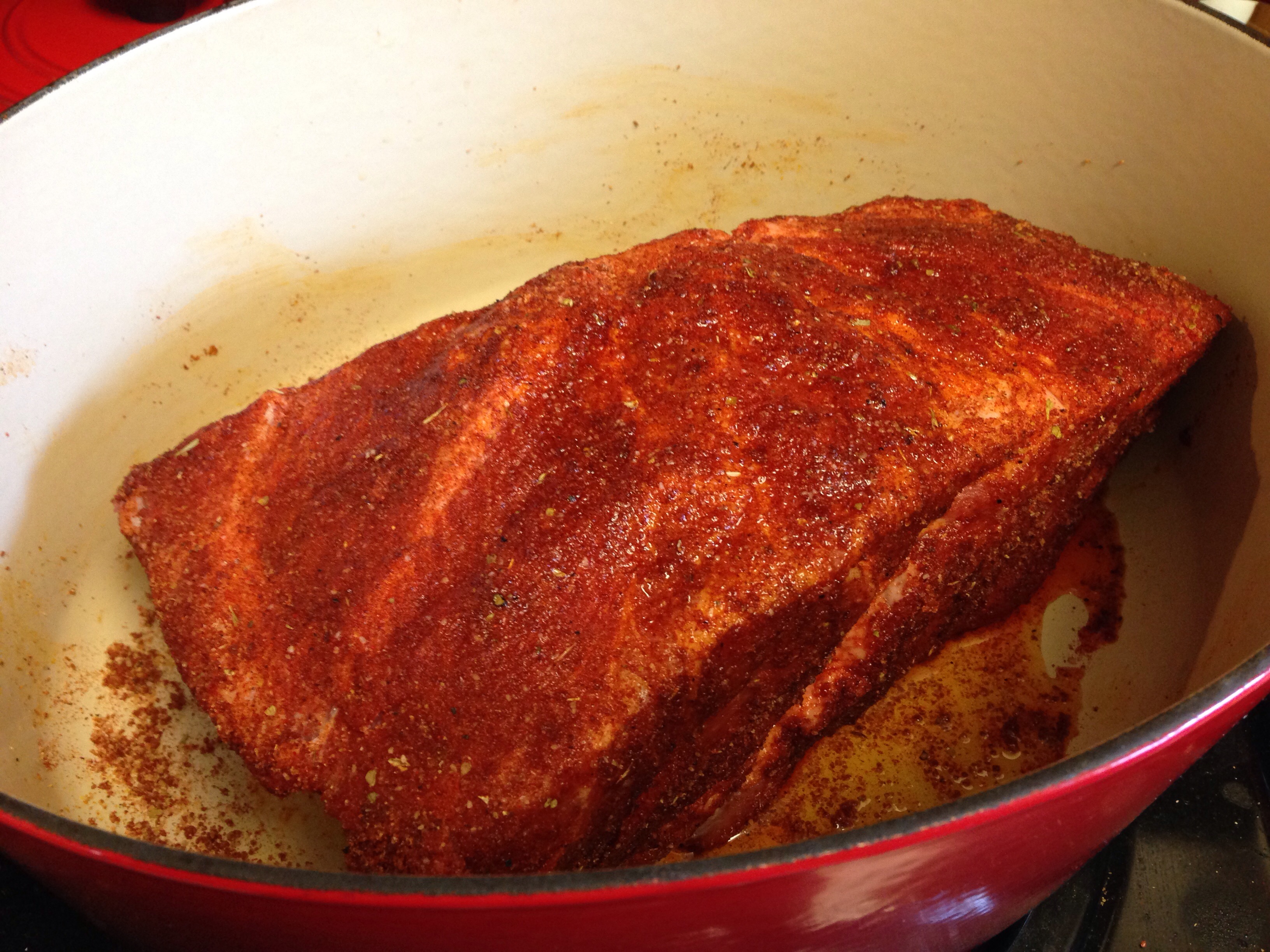
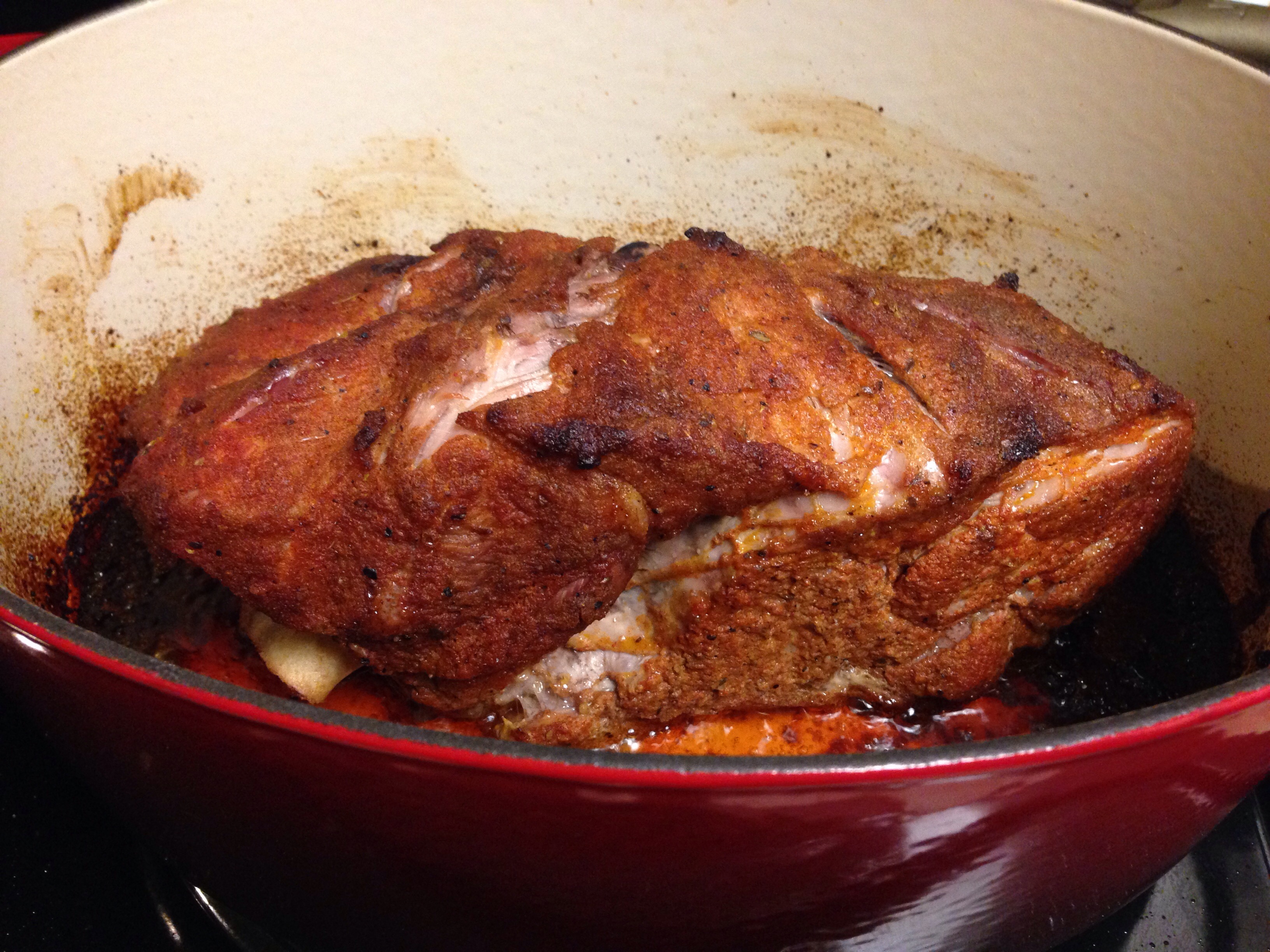
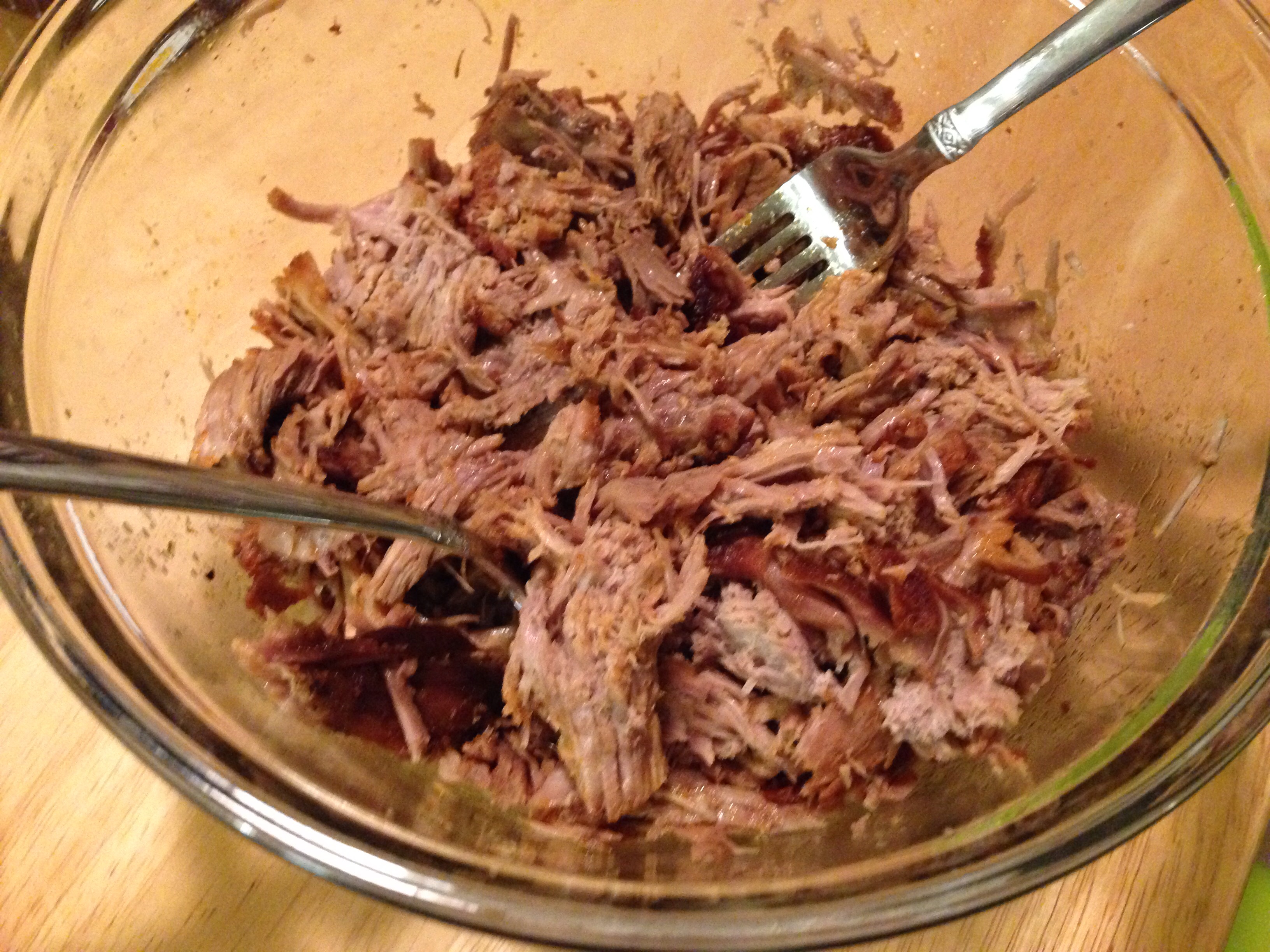
Easy dutch oven pulled pork

I love pulled pork. The test of a good bbq joint for me is how good is their pulled pork. Sadly, it’s not fiscally responsible to go out for bbq all the time so here’s a quick pulled pork from your Dutch oven. It is technically not bbq and doesn’t have that awesome smoke but it’ll make you pulled pork sandwiches in a pinch. Just a note, I go light on the heat for my little ones who don’t like it. This is for a 5 lb pork shoulder or Boston butt.

Dry rub:

1 Tbsp paprika

2 tsp brown sugar

1 tsp salt

1/2 tsp garlic powder

1/2 tsp onion powder

1/2 tsp chili powder

1/4 tsp oregano

1/4 tsp black pepper

Heat oven to 375.

Trim excess fat from your pork. Mix the rub together and rub on to your pork. Let sit overnight if you have time. I will admit I have rubbed this one before immediately putting into the oven. I put on the dry rub on the pork while directly in the Dutch oven. Make sure to coat the whole piece of meat.


Put into the oven and cook for 3 1/2 hours.


Remove from the oven and pull pork away gently with two forks. I like to leave larger pieces so it’s not all shredded.


Top with your favorite bbq or vinegar sauce. Eat by itself or in a sandwich!

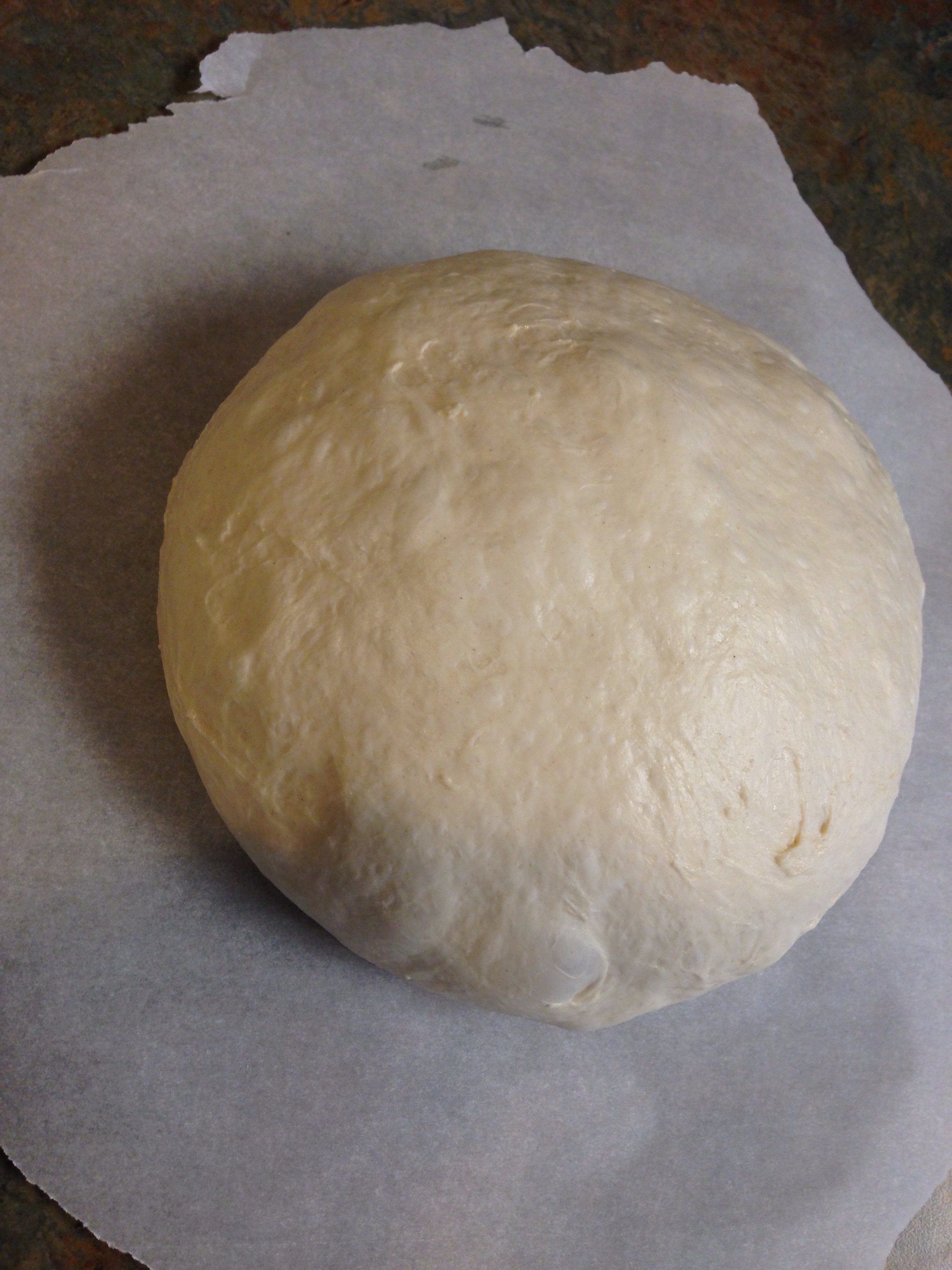
Professional looking no knead bread like from a bakery

Like nearly everyone else who’s alive, I check out pinterest and very sadly I have seen awful no knead bread recipes. I have struggled with bread baking for years. From TBF (total bread failure) to PBF (partial bread failure), I’ve seen a lot and struggled with consistency using similar recipes and instructions. I have about 5 bread books and after tutorials and whatever other resource I could find, I have finally been able to consistently bake bread that rivals albertsons or publix fresh baked bread. You southerners know what I’m talking about.

This recipe is only for using the no knead method for bread, it does not apply when hand kneading or machine kneading.

Here are some problems with the bread recipes I see. They do not allow proper proving before baking. One cannot get a strong gluten structure with one rise. Nope, I’ve tried it. And if you wiggle the bread too much, it all deflates! Also… a 30 minute rise is horribly insufficient. Here may be some common troubles with your bake.

bread deflates – improper structure, improper proving

tough crust – improper gluten structure

tough crust and gummy center – improper gluten structure and didn’t cool long enough! (I know, it’s so hard to let it)

dense bread, didn’t rise at all! – yeast probably died, didn’t get a proof

If you’ve had these problems, I know I have! Then you’ve listened to those blogs from people who listened to blogs or got an insufficient book and looked no further. I have a couple and I have followed these blogs. These sweet dears probably do not know that it’s possible to make the awesome bread in the stores. I thought, maybe there are additives or preservatives for those results, like in box cake… no… the instructions were out there and I wish I had found them sooner.  So! I will share my recipe and instructions and then explain “the why”. For best bread, please read all the way through.

Simple boule (round bread, or “bowl” bread)

3 cups all purpose or bread flour

1 1/2 cups distilled water (adjust 10% increase for dry climates, adjust atleast 10% additionally for altitude)

1 Tbsp yeast

3/4 Tbsp – 1 Tbsp salt (to taste)

Mix flour, yeast, and salt together in your largest bowl. Pour in your water and mix. I like to use my hands or a butter knife. Yeah, may sound crazy but it works and cleans off easily. You want to mix to make sure the flour is all incorporated or you’ll end up with “flour pearls” and that makes for ugly (and homemade looking) bread. Once you’ve got a nice sticky heap, cover and set aside for at least 2 hours!
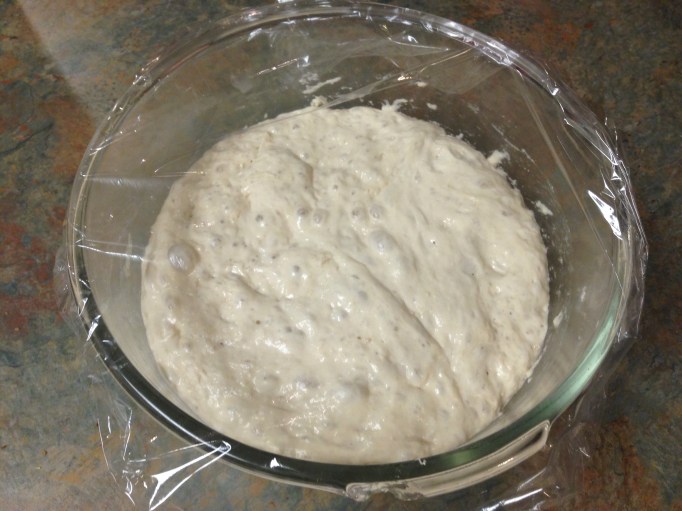
Dust the top of the risen dough, a clean work surface and your hands with flour. Your dough should still be quite sticky and droopy. Shape your dough into a rough rectangle. Lightly dust with flour (called a gluten coat… I don’t know why), and fold into thirds. Take your dough and fold that in half and drop into an oiled bowl (or sometimes I dump it back into my previous bowl with dough residue… just slightly more work to get it out if you do it this way). Your dough will rise much quicker this time. Maybe a 30-45 minute rise.

Take it out (do not punch it!!!!!) and shape into a ball. (Shape into a ball – bread term meaning to pull sides down and gather to the bottom of the dough to make into a ball. Go around the dough and get all sides. You want a somewhat taut surface, pull sides and gather at the bottom as needed) Allow the air bubbles to pop out (this will prevent giant holes in your bread). You want to achieve a taught surface without the dough tearing. This surface provides tension for your yeast to rise against and further develop the gluten.

Optional- return to the bowl for another rise about 30-45 minutes. This extra rise can give a somewhat sour flavor if that what you’re going for.
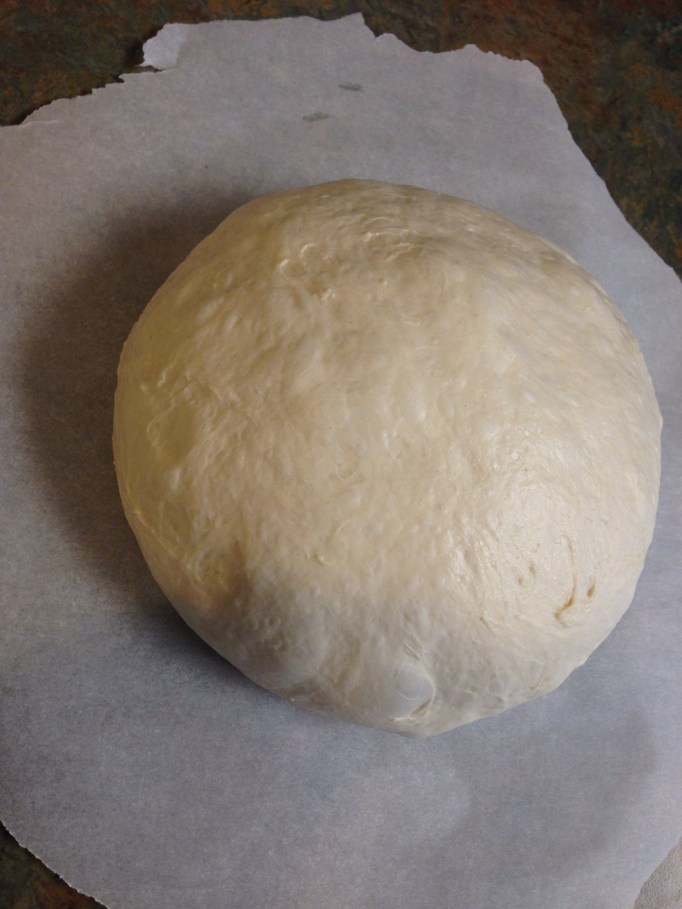
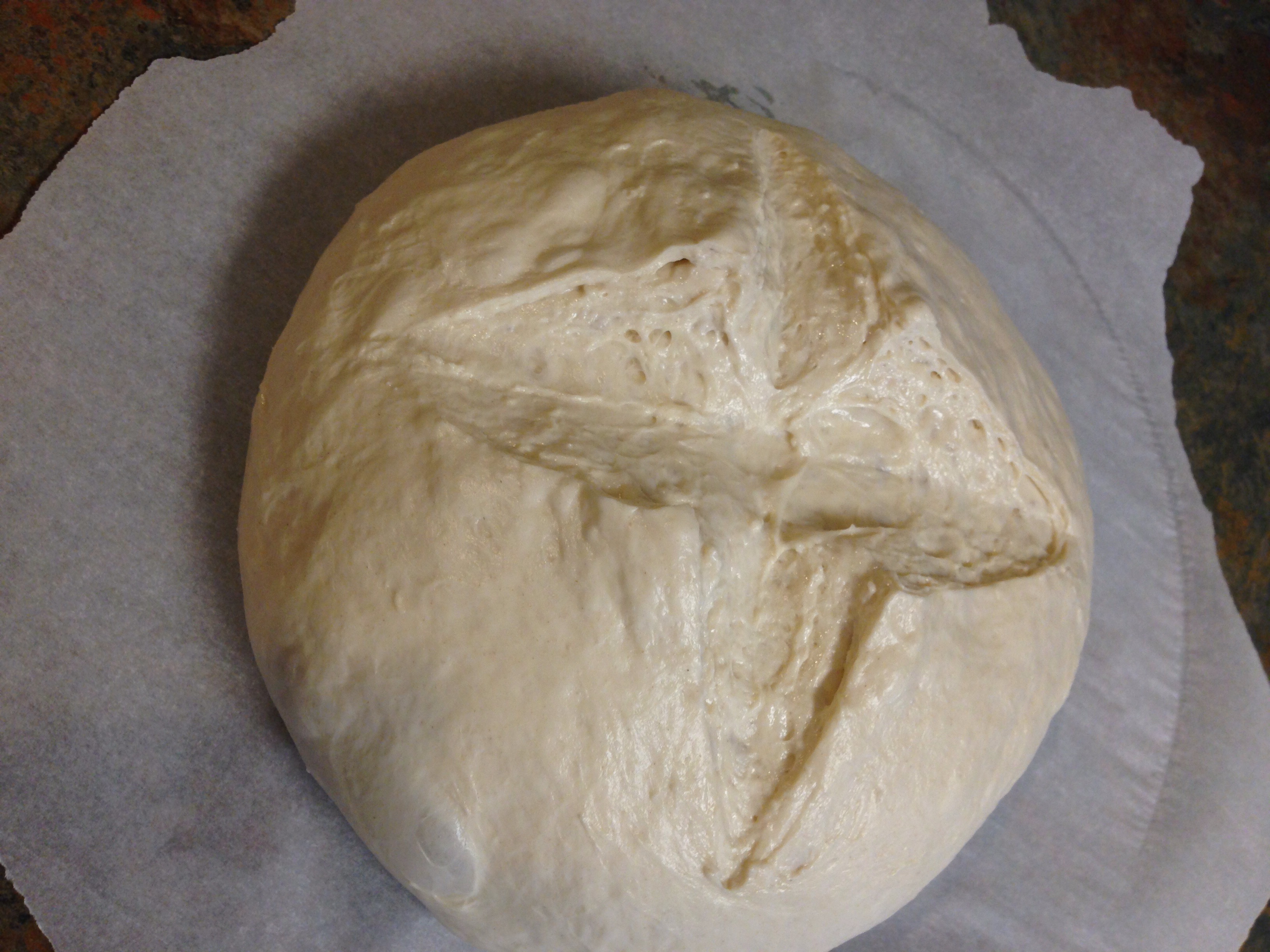
Heat your oven to 475 and place your dutch oven to heat up. (If you don’t have a dutch oven, that’s okay… but I’ve found it makes the best bread when doing the no knead method.) Prep your parchment paper for either the dutch oven or your baking sheet. Shape your dough again into a ball and set on your parchment paper. Place your bowl it came out of on top of the dough so that it doesn’t dry out during this proof. I let it rise anywhere from 30-40 minutes (better than an overproof).

img_5334

Take a knife and slice at least a half inch into your dough, deeper if you dare! Remove your dutch oven from the oven and drop your dough into it! Place the lid and set your timer for 45 minutes!

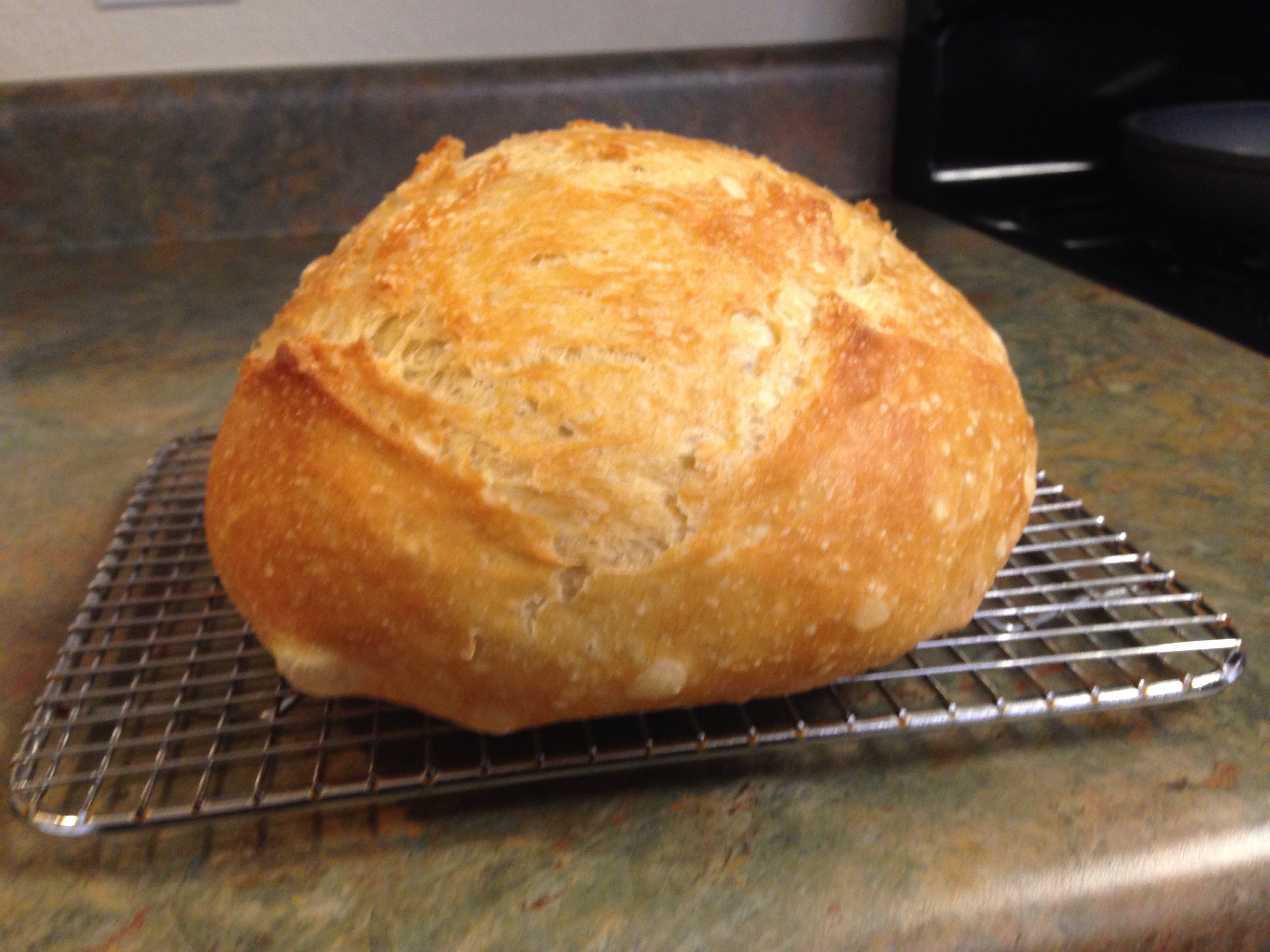
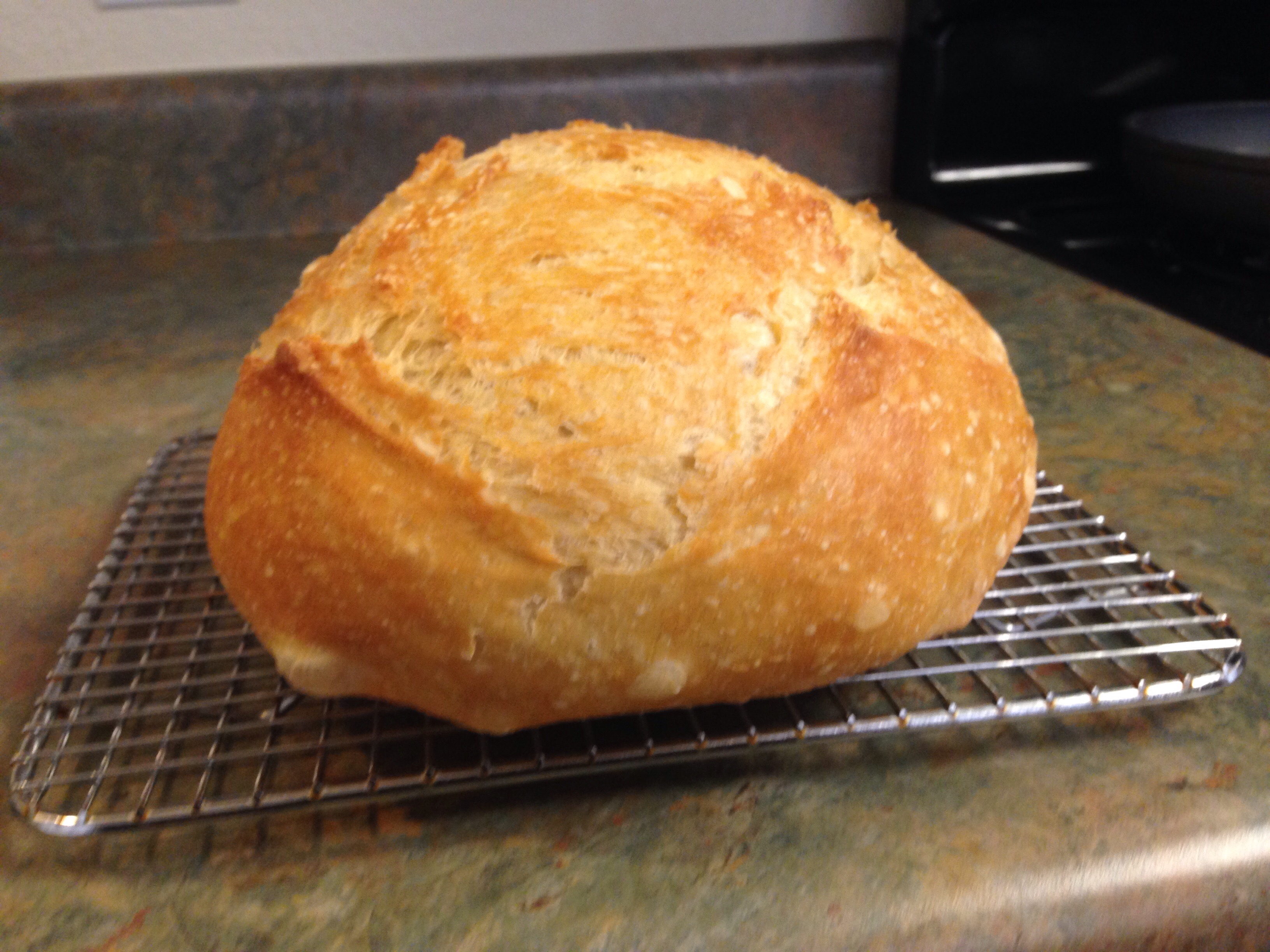
Once done, remove and let cool for at least 20 minutes. Listen to that beautiful crackling and revel in the joy of a good bake 🙂

img_5339

The Why’s

Now, the reasons I do these things. Many recipes call for yeast to be added to water to bubble… other than find that your yeast is alive, it doesn’t serve much purpose. This is different than what is called “creating a sponge” which is a developed base for your bread. That’s like a bread soup or bready paste to be added to flour later for more complicated breads, very different. The problem that could develop is the warm water… what exactly is warm water? I’ve known people (and done this myself) who have microwaved the water to get to a higher temperature and accidentally zapped those poor yeast and hence… no rise. Now improper yeast storage is also a problem! My poor yeast didn’t rise because they were all dead! Store your yeast jar in the fridge. Also, adding sugar changes the taste of the bread which could be nice in some instances but for regular ole bread, it isn’t needed.

Well… my yeast was refrigerated and I did this recipe, but my bread still didn’t rise! Okay… did ya use distilled water? hmm? The reason to use distilled water is that the chlorine (in all tap water) kills the yeast! Chlorine kills everything, that’s why it’s a great disinfectant. Purified water isn’t good enough, most come from the tap of wherever it’s bottled. Sad truth. I have found that in a pinch, a thrice filtered water isn’t so bad. Not as great as distilled but kills less yeast than tap. I’ve also used distilled water that is enriched with minerals (because I couldn’t find distilled) and it’s about the same as a thrice filtered tap water. For best rise, go with distilled. Reverse osmosis water is good too.

The reason for shaping and reshaping the dough is to develop the gluten. Gluten is the protein in wheat flour that come together in a matrix that leads to a chewy texture, think pizza crust vs cake. In the no knead method, the yeast bubbling away is enough agitation to develop the gluten into a matrix. But one rise is not enough. You may have heard of the “window pane” test to see if your bread is ready (you can stretch your dough until it’s thin and lets light through or almost see out of it). You will not get a window pane with a one rise dough. This is why your bread will deflate because the gluten is not developed enough to provide structure to hold it’s shape. This is why you shape and reshape. Having the tension is essential to develop the bread.

Slicing the dough, besides giving a pretty design to your bread, gives the dough room to rise so you have less broken edges. Some is nice but you have a more finished looking product with slices. Or cuts! Many one rise recipes do not include a slice because with the gluten not being developed, the bread will immediately deflate once cut. It also isn’t as able to be as fluffy on the inside! While talking of texture, it’s very important to let your bread cool because if you tear into it too early, the moisture will evaporate out of the bread! That is how you end up with a gummy texture. The bread needs time for the moist hot air to redistribute back through the bread, this also helps give a softer crust too. Prior to learning these additional steps, I always had incredibly thick and tough crust. I love a good crust but this was bordering on tooth breaking.

So, I hope that your bread turns out wonderful and you enjoy the sweet music of crackling crust from fresh baked bread. Happy baking!
 

Simple Tomato Sauce

I remembered this recipe recently that I had from my poor college days. It was cheap and fairly fast but mostly good and nutritious way to eat my noodles. Depending on what spices I put it in, it could be a zesty pizza sauce or a tomato base for various pasta dishes. This one is so simple. Only tools needed are a pot and if you like, an emersion blender (though I didn’t have this when I was in college). When you don’t start with a pre made tomato sauce, it’s a little surprising how much salt is required.

1 Tbsp olive oil

5 ripe roma tomatoes

1 large onion

5 cloves garlic

Italian seasoning

salt and pepper to taste

Optional: Cream, chili powder

Chop all your vegetables. If you’re using an emersion blender then you don’t need to chop finely. Pour some olive oil in a pot before adding vegetables on medium heat. Stir periodically to ensure even cooking. Once the onions are tender and translucent, I blend. Add Italian seasoning and salt and pepper to taste, it may take a little more salt but you’re starting with an unsalted base unlike pre made sauces in jars. I will admit, it won’t be a pretty red color but it’s a fresh and light sauce. For a little zestier flavor, you can add a little chili powder, it gives a milder heat without being over powering. A little goes a long way. Also, if you want to make it creamy, I add 2 Tbsp of cream right before you serve since cream has a tendency to burn.

If you want your sauce to be more tomato-y and red like traditional sauce double the tomatoes. I like the flavor of this one more than wanting that pretty red color.

If you want to be Super Healthy! I make this with spaghetti squash with some mushrooms and broccoli. Happy Cooking!

No soak black beans

This is my new favorite way to make  black beans. I rarely remember to soak my beans the day before or if I do, something comes up and I can’t quite cook them. So! This is very tasty and has no risk of BPA from canned beans. It makes a lot so I freeze about half it can be made in a crockpot on the high setting for about 4 hours. I use a pot on the stove for about 2 1/2 – 3 hours.
1 lb bag of dried black beans

1 onion, diced

5 garlic cloves

2 bay leaves

1/2 tsp chili powder

Salt and pepper to taste

7 cups of water

I begin with sorting out my beans, removing any that have wrinkles, are misshapen or any stones that sneak into the mix. Once they’re sorted, they get a good rinsing before I stick them in the pot of water. I turn the heat to high until it boils then lower the temperature medium low (sometimes low depending on the stove. I had the onions, garlic, and spices. I let it cook at a low simmer, stirring very 30 minutes to ensure nothing is stuck on the bottom. Once the skin pulls away a bit on the beans, they’re done. Add salt and pepper to taste. This recipe doesn’t begin with any salt so a sprinkling probably won’t be enough.

My new favorite way to eat them is with some rice and scoop it into lettuce…. Korean style

Light and Fluffy Belgian Waffles

The recipe below will yield 4 waffles

Cloud Belgian waffles

1 1/4 cup all purpose flour

1 1/2 tsp baking powder

1/4 tsp baking soda

1/4 tsp salt

1 Tbsp Sugar

1 egg

4 Tbsp butter (unsalted)

1 1/4 cup buttermilk (or 2 Tbsp plain yogurt and 1 cup whole milk or 1 cup milk and juice from half a lemon) *1 1/2 cup milk for desert or elevation

Turn on your waffle iron. Mix the first four ingredients together in a bowl.

Melt butter (30 seconds in the microwaves should suffice). Whisk butter and sugar together. Add your egg and whisk until smooth. Add your buttermilk to the egg mix and whisk smooth.

Combine your liquid and dry ingredients. Be sure to whisk as little as possible. Clumps are alright but large lumps need to be broken up.

Pour 2/3 of a cup (or 1/3 cup two times) of batter into the waffle iron and gently spread to the edge then close the iron. Pouring just in the middle and closing makes the waffle more dense and doesn’t really spread as far. Also be careful to not disturb the batter after you’ve mixed. The leaveners (baking soda and powder) will have been activated and will create bubbles. If you disturb these bubbles you lose fluff in the waffles and they will become more dense.

Dust with a little powdered sugar for a proper Belgian waffle, or Americanize it with syrup. I add some sprinkles for my kids. I do not think there is a way to mess this guy up! Enjoy!

IMG_0820

Couple of tips!

The biggest reason to spend little time blending with the flour mix is when liquid is added to flour, it causes gluten to form. That would be great if you’re making bread or pizza but in the case of waffles or even pancakes, typically a softer crumb is desired. It is a matter of frequency not time, so don’t whisk as quickly as you can in a minute or anything. Also, I’ve seen recipes with whipped egg whites rather than more baking powder. I’ve tried this and waffles had a tougher texture. It seems the additional protein from the eggs did not taste like taking a bite of a cloud. It was good but I feel this is closer to what I had in Bruges. Also! if you don’t have buttermilk or yogurt, you can just use milk but the acid in those will help tenderize the flour. You can add a tsp of distilled vinegar in a pinch.

Cookie Baking Tips

Get professional looking cookies at home!

Hello! Have you ever wondered why you follow these professional recipes down to the very last letter and end up with an amateur result? I did… as a naturally competitive person that I am (perhaps to a fault) , I was constantly irritated that my baked goods, cookies in particular, were not better than the store bought brand. “Ah, that is because the stores have their own bakers”… well, what are those people if not normal folks who get a job at that bakery? But more importantly… are their homemade cookies better than mine? Not anymore! I have compiled a list of common mistakes that I have made and other things to makes the most awesome cookies and impress any crowd.

1. Soften butter properly. This seems easily and self-explanatory but it’s not. After years and years of flat, weird-textured cookies I came across proper softening. Butter is “softened” at about 65 degrees… this is ideal because beating raises the temperature of the butter. Butter is “melting” at about 80 degrees. So if your butter is 75 degrees prior to beating, by the time you’ve beaten it, then your butter is no longer softened but melting.

a. Cut your butter into tablespoon pieces. I cut them and spread them apart from each other for even softening. Otherwise, you end up with a stiff middle and melted ends.

b. Leave your butter to soften for about 45 minutes. Unless you live in an igloo like my sister, then leave it out for about 2 hours. Never overnight! That is technically melted butter and your cookies will not be as good. Do not listen to the advice of tv cooks… they are wrong in this instance.

c. Never ever heat or microwave your butter. I figured this would go without saying, but I’ve had more than a few conversations on this.

2. Use an oven thermometer. This will ensure that your oven is the proper temperature for cookie baking. Also, check your oven for even temperature. I once had an oven that was way hotter on one side. If you have an oven like that, half way through baking, rotate your cookie sheet.

3. Invest in a cookie scoop! This is my favorite. A cookie scoop is great because it provides a consistent size for all your cookies. They will bake the same but most importantly… the cookies will be pretty and look professional! Also, make sure when using a cookie scoop, scoop against the edge of the bowl. If you scoop uneven scoops, then what was the point, yeah?

4. Always use parchment paper. Oh, parchment paper, how do I love thee… I won’t count the ways. Parchment paper is so great; it keeps your cookie sheet clean, keeps the cookies from sticking to the cookie sheet, and protects the cookie bottoms from burning.

5. Follow the instructions. If your cookies call to be refrigerated, refrigerate the dough… I’ve found that 2 hours is barely sufficient. Overnight chilling yields much better results.

6. Use a timer. I am guilty of forgetting to set my timer periodically. Make sure to not keep opening the oven door to check them if you forget to set your timer, lets out the heat and could mess up cookies.

7. Be observant. Now, this is for a couple things. See how your oven is, if your cookies call for 10 minute baking but are to crisp, then reduce your timer. If it calls for 10 minutes but it’s underdone, leave it in longer. Yes, this kind of contradicts number 5, but it’s because ovens are not all cast from the same mold.

8. Most important… If at first you don’t succeed. try, try again! I am most guilty of running away after a baking failure. For this reason, I avoided cookies for many, many years. All the more reason I felt this is tip list was so important.

9. Whisking your butter to a fluffy, frosting like consistency gives a softer, chewy texture to cookies. This takes some time and depending on your whisk attachment, you may need to scrape the bowl many times for even whipping. It’s worth the effort.

I hope that whatever I’ve learned can help you make awesome, pretty cookies at home. You’ll have your guests asking “where did you buy these?” Ah, music to my ears. If you have any other tips that I don’t know about, please share. Let’s make the world a better tasting place. Happy baking!